CANADA: The Canadian automotive market is currently navigating an unprecedented turning point. For years, European, American, and Japanese brands have dominated the roads, but Chinese-manufactured vehicles are now preparing for a formidable entry. Particularly in the Electric Vehicle (EV) sector, Chinese companies are capturing the attention of average Canadian car buyers by offering a potent combination of competitive pricing and cutting-edge technology.
Price Revolution and New Trade Agreements: The most lethal weapon in the arsenal of Chinese automakers is the price revolution. Companies like BYD are delivering modern features at significantly lower price points compared to established brands like Tesla. According to recent reports, the Canadian government has drastically reduced the 100% tariff on Chinese EVs to just 6.1%, capped at a limit of 49,000 vehicles per year. Under this new agreement, half of the imported vehicles by 2030 must be priced under $35,000, making electric cars a practical and viable decision for families.
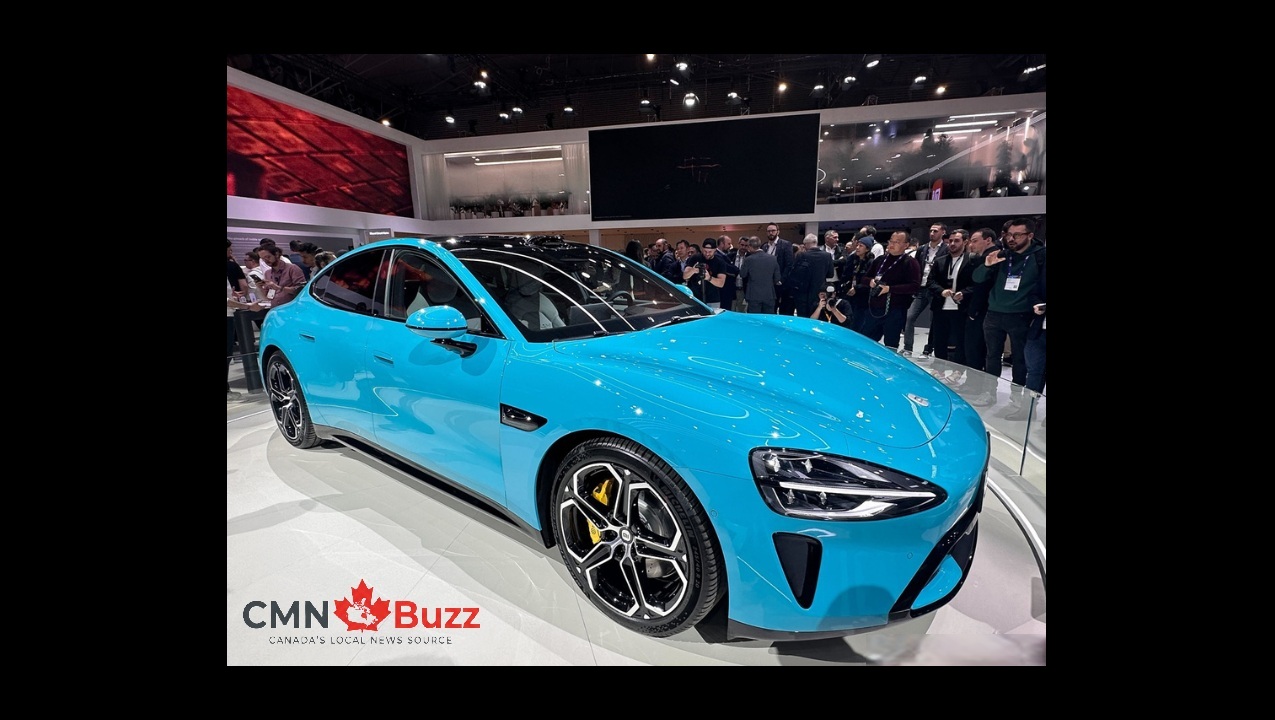
Xiaomi’s Smart Entry: Xiaomi, a global leader in the smartphone industry, has already gained worldwide acclaim by launching its first electric car, the SU7. This vehicle, blending sophisticated technology with premium design, is generating immense curiosity, especially among the youth. With the next-generation model set for release in April 2026, Xiaomi’s approach of bringing a “digital lifestyle” experience to the automotive world is expected to strongly influence Canada’s tech-savvy younger generation.
Political Challenges and Domestic Market Stability: However, this momentum will not be without hurdles. The stance on protecting domestic manufacturers and local jobs remains strong at the political level. While consumers demand more choices at lower prices, the government is taking precautions to prevent the collapse of the local automotive industry. The future of Chinese cars in Canada will depend on how successfully these two sides are balanced.
The Winter Challenge: Canada’s harsh winter presents another critical question: how reliable will EV battery performance be in sub-zero temperatures? While Chinese manufacturers claim to have developed cold-resistant battery technologies, only time will tell how these vehicles perform under real-world Canadian winter conditions. Concerns regarding range depletion and charging efficiency remain at the forefront of consumer minds.
Despite these challenges and uncertainties, the entry of Chinese cars marks the beginning of a massive competition in Canada’s automotive landscape. The rivalry in pricing, technology, and design will ultimately benefit the consumers. One thing is certain: the Canadian automotive market will never be the same again.
CMN🍁Buzz – Editorial Team 🍁
Canada’s Local News Source!
Please share your feedback and suggestions in the comment box below or email us at cmnbuzzcanada@gmail.com. For more news, visit our CMN🍁Buzz website regularly! Follow us on social media for the latest updates from Canada and around the globe.
Stay tuned to CMN🍁Buzz — Your trusted partner for the news that shapes our future! 🍁