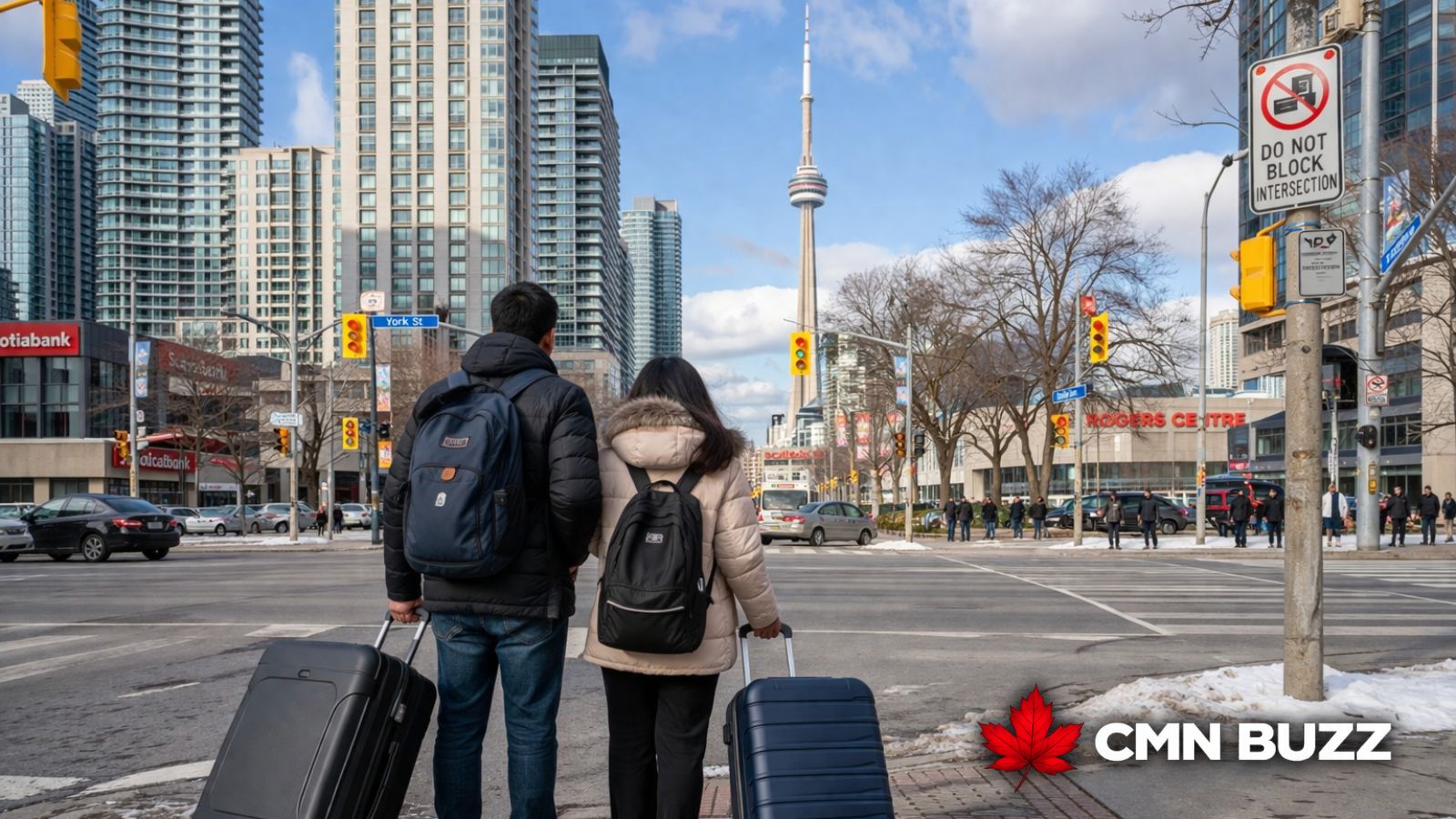
For many newcomers, moving to Canada represents a fresh start — better opportunities, higher living standards, and a secure future. But beyond the promise of a new life lies a financial reality that is often overlooked by many newcomers. The hidden costs of living in Canada can quickly add up, catching many immigrants off guard in their first few months.
Understanding these realities is essential for anyone planning to build a stable life in Canada.
Housing Costs Go Beyond Rent
One of the biggest surprises for newcomers is how expensive housing can be — especially in major cities like Toronto and Vancouver.
Rent alone is not the only expense. Many tenants are required to pay first and last month’s rent upfront, along with a security deposit in some cases. On top of that, furnishing a home, setting up utilities, and paying for internet services can significantly increase initial costs.
In many cases, housing can take up a large portion of a newcomer’s monthly income, leaving little room for savings.
No Credit History Means Higher Financial Barriers
Canada’s financial system relies heavily on credit history. For newcomers, starting without a credit score can create several challenges.
This can make it difficult to:
- Get approved for rental housing
- Access loans or credit cards
- Finance a vehicle
Even when options are available, they often come with higher interest rates or stricter conditions. Building a credit history takes time, and during that period, financial flexibility remains limited.
Car Insurance Can Be Shockingly Expensive
For those planning to drive in Canada, car insurance is a major hidden cost.
New drivers or those without a Canadian driving history often face very high insurance premiums. In some provinces, monthly insurance costs can be a significant financial burden — sometimes even comparable to car payments.
This makes transportation significantly more expensive than many newcomers expect.
Finding a Job Isn’t Always Immediate
Many newcomers assume they will quickly find work in their field, but the reality can be different.
A lack of “Canadian experience” can delay entry into professional roles. As a result, many newcomers initially take survival jobs in retail, warehouses, or food services while searching for better opportunities.
This transition period can affect both income levels and overall financial stability.
Childcare Costs Add Up Quickly
For families with young children, childcare is one of the most significant expenses.
Daycare fees can reach hundreds or even thousands of dollars per month, depending on the province and availability. In some cases, one parent may need to stay home because childcare costs outweigh potential income.
Taxes and Deductions Reduce Take-Home Pay
Another commonly overlooked factor is taxation.
While salaries may appear attractive on paper, deductions for income tax, employment insurance, and pension contributions can reduce take-home pay considerably. For many newcomers, this can be an unexpected financial adjustment.
Healthcare Isn’t Entirely Free
Canada’s healthcare system is publicly funded, but it is not completely free. Many essential services still require private coverage or out-of-pocket payments.
Some provinces have waiting periods before new residents qualify for coverage. In addition, services like dental care, prescription medications, and vision care often require private insurance or out-of-pocket payments.
Winter Costs Are Often Underestimated
Canada’s winters bring additional expenses that many newcomers do not anticipate.
These include:
- Winter clothing (jackets, boots, accessories)
- Higher heating bills
- Snow-related maintenance costs
These seasonal expenses can significantly increase overall living costs during colder months.
Everyday Living Costs Add Up
Daily expenses such as groceries, public transportation, phone plans, and internet services can quickly accumulate.
Compared to many other countries, these costs can feel high — especially when combined with rent and other fixed expenses.
The Emotional Cost of Starting Over
Beyond finances, there is also a personal cost.
Moving to a new country often means leaving behind family, friends, and familiar surroundings. Adjusting to a new culture, environment, and lifestyle can lead to stress and loneliness, especially in the early stages.
Is It Still Worth It?
Despite these challenges, many immigrants successfully build stable and fulfilling lives in Canada over time.
The key lies in preparation — understanding the full picture, planning finances carefully, and setting realistic expectations. This is not about discouraging the dream of moving to Canada —
It is about understanding the reality behind the Canadian dream.
For a Malayalam news perspective on this topic, read the full report here.
Share your thoughts and questions about this news in the comment box below. For more information, visit our website or email us at cmnbuzzcanada@gmail.com. Follow CMN Buzz on social media to stay updated with all major news from Canada in real-time.
Stay tuned to CMN Buzz — Your trusted partner for news that shapes the future of immigrant life in Canada