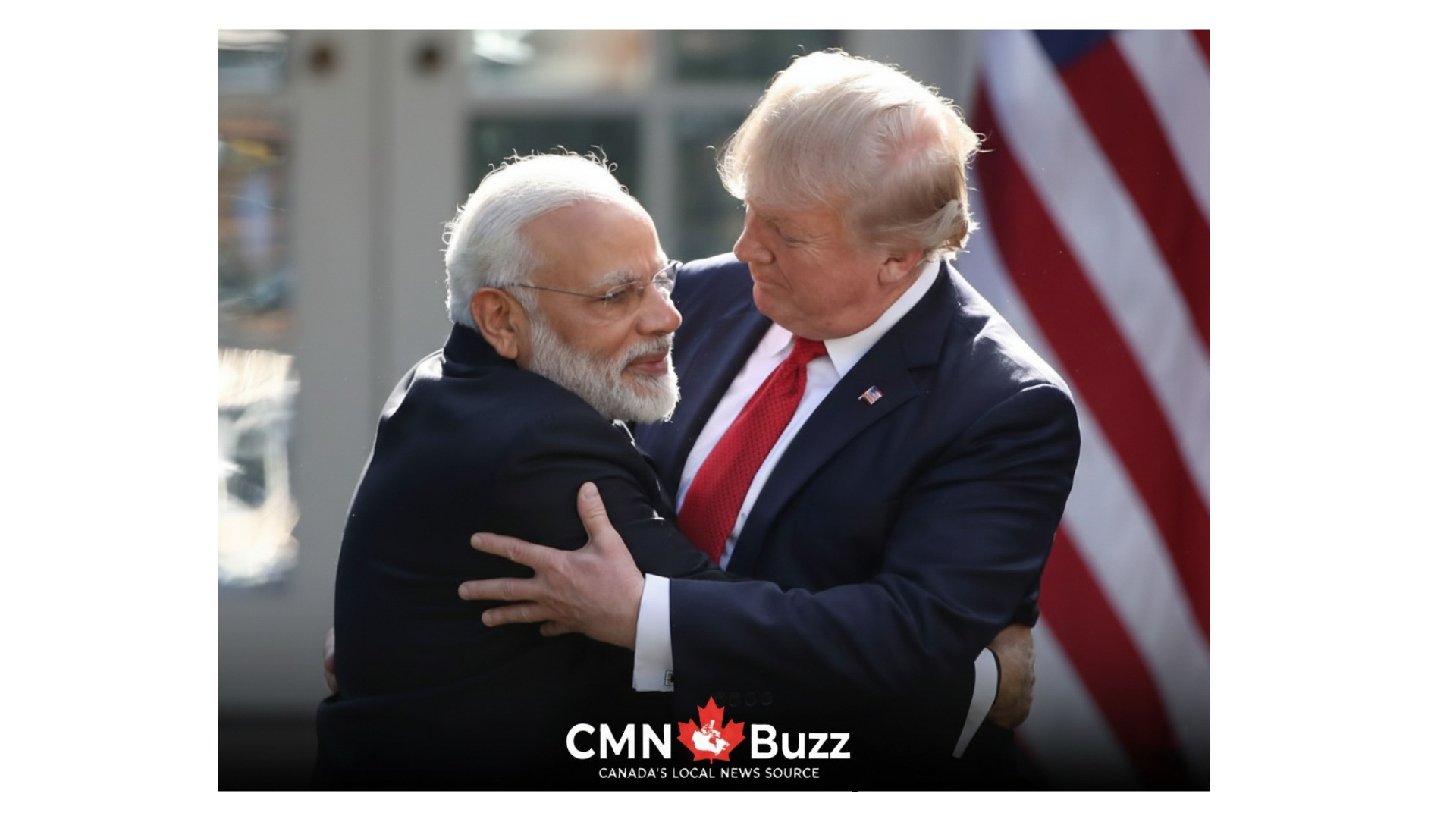
CANADA, February 3, 2026 — A seismic shift in India-US relations occurred today as Prime Minister Narendra Modi and US President Donald Trump finalized a controversial trade agreement. Following a high-stakes phone call, the deal—hailed as a victory by some but a surrender by others—has sparked intense debate over India’s economic sovereignty. While the government celebrates a reduction in US tariffs, critics point to a heavy cost: the total opening of the Indian market to American goods and a complete halt of Russian oil imports.
Trump’s Leverage and India’s Concessions
“Out of friendship and respect for Prime Minister Modi, we agreed to a Trade Deal reducing the Reciprocal Tariff from 25% to 18%,” President Trump announced on social media. However, this “friendship” comes with a steep price tag. In exchange for this 7% relief, India has agreed to Zero Tariffs (0%) on US industrial and agricultural products and has committed to purchasing over $500 billion in American energy, technology, and coal. Most significantly, India has pledged to immediately stop buying Russian crude oil, shifting its massive energy demand toward US and potentially Venezuelan markets.
The Hidden Cost: The End of Discounted Russian Oil
Since 2022, India’s economy has been bolstered by discounted Russian oil, saving the nation billions. By agreeing to Trump’s demand to “halt Russian purchases” to help end the Ukraine conflict, India faces an estimated additional burden of ₹70,000 to ₹80,000 crore annually. While Trump has scrapped the 25% “punitive duty” previously imposed for India’s ties with Moscow, the transition to more expensive American energy sources could trigger a domestic inflationary spike.
Agricultural Crisis: Are Indian Farmers Being Sold Out?
The most explosive aspect of the deal is the 0% import tariff on US goods. Agricultural bodies, including the Samyukt Kisan Morcha (SKM), have labeled the agreement a “betrayal.” They warn that flooding the Indian market with highly subsidized American soy, corn, and dairy will devastate the livelihoods of 140 million Indian farmers. Opposition leader Rahul Gandhi launched a scathing attack, alleging that “PM Modi is compromised” and has “sold the blood and sweat of Indian farmers” due to external pressure.
The “Compromised” Allegation and the Epstein Connection
The timing of the deal has raised eyebrows, coinciding with the explosive release of over 3 million pages of the Jeffrey Epstein files by the US Justice Department. Rahul Gandhi explicitly linked the trade concessions to “pressure points,” mentioning the Epstein documents and ongoing US legal cases involving the Adani Group. He suggested that the Prime Minister’s sudden shift on tariffs was a move to protect his international image amidst these emerging scandals.
As India opens its gates to a “Buy American” surge, the question remains: is this a masterstroke of diplomacy or a strategic retreat? For the millions of farmers and consumers in India, this handshake between two world leaders may carry a price far higher than the promised tariff relief.
CMN🍁Buzz – Editorial Team
Canada’s Local News Source!
Please share your honest opinions and suggestions with us in the comment box below or write to us at cmnbuzzcanada@gmail.com. Keep visiting the CMNBuzz website for more news updates. To stay updated with the latest news from Canada, follow us on the social media platforms shown on the bottom right!
Stay tuned to CMN 🍁Buzz — Your trusted partner for the news that shapes our future!